
An interview with Second World War and B.C.O.F. veteran John Rose
'...they said something about the atom bomb. I didn't know what the hell they were talking about.'

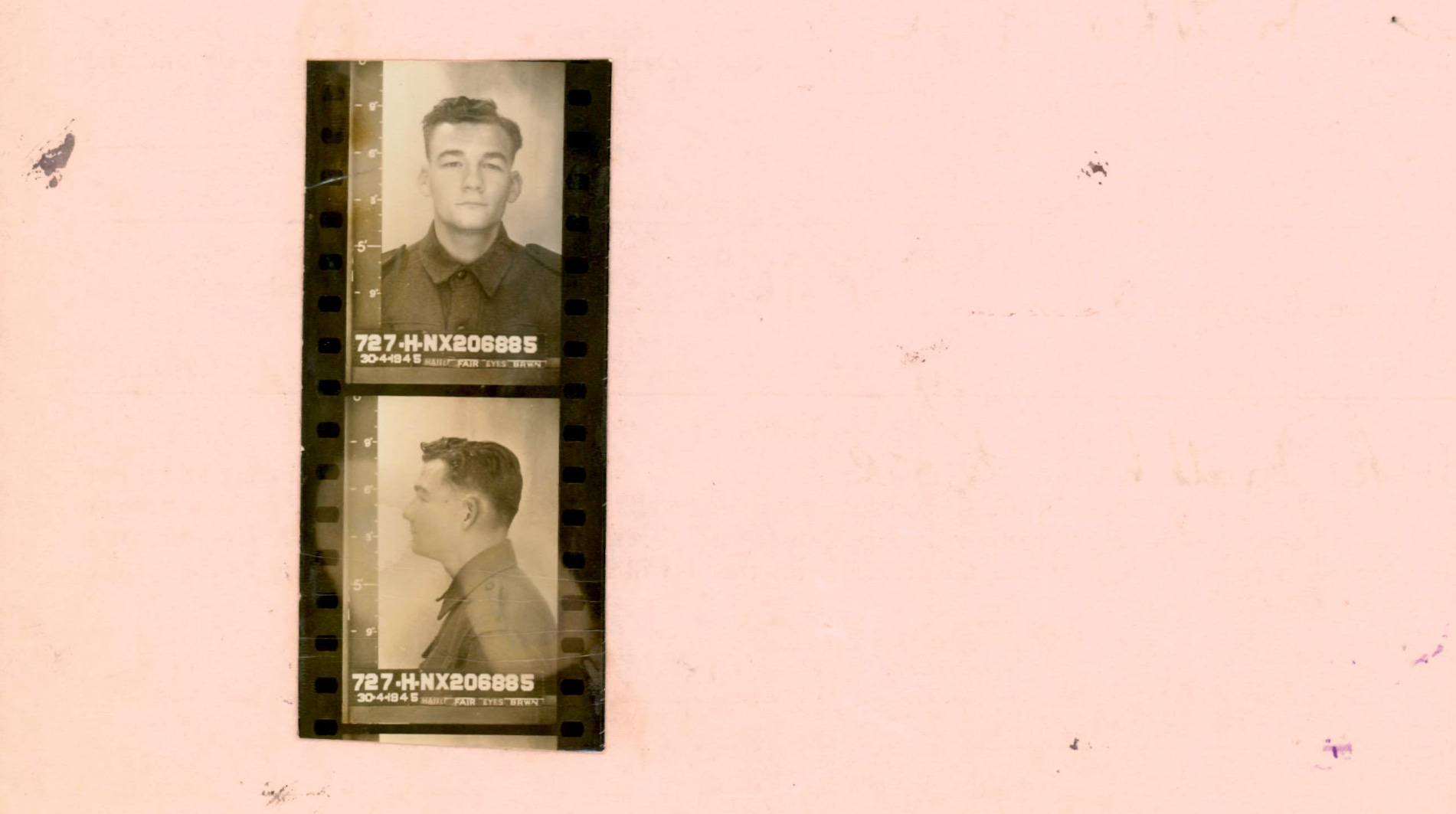
John Rose, born 1927, enlisted in the Australian Army at the Victoria Barracks, Paddington, on the 20th of March in 1945. He was allocated to the 38th Infantry Training Battalion. Three and a half months after his enlistment, whilst he was stationed in Bathurst, the war ended. Rose thereafter served in the British Commonwealth Occupation Force in Japan, joining the 65th Battalion of the 34th Brigade.
The Department of Veterans’ Affairs states that over a million men and women enlisted in the Royal Australian Navy, the Australian Army and the Royal Australian Air Force during the war. The national population was about seven million. Rose’s story, recounted on the 6th of September in 2025, exemplifies how Australians rallied together.
What compelled you to enlist – did you want to since the war broke out?
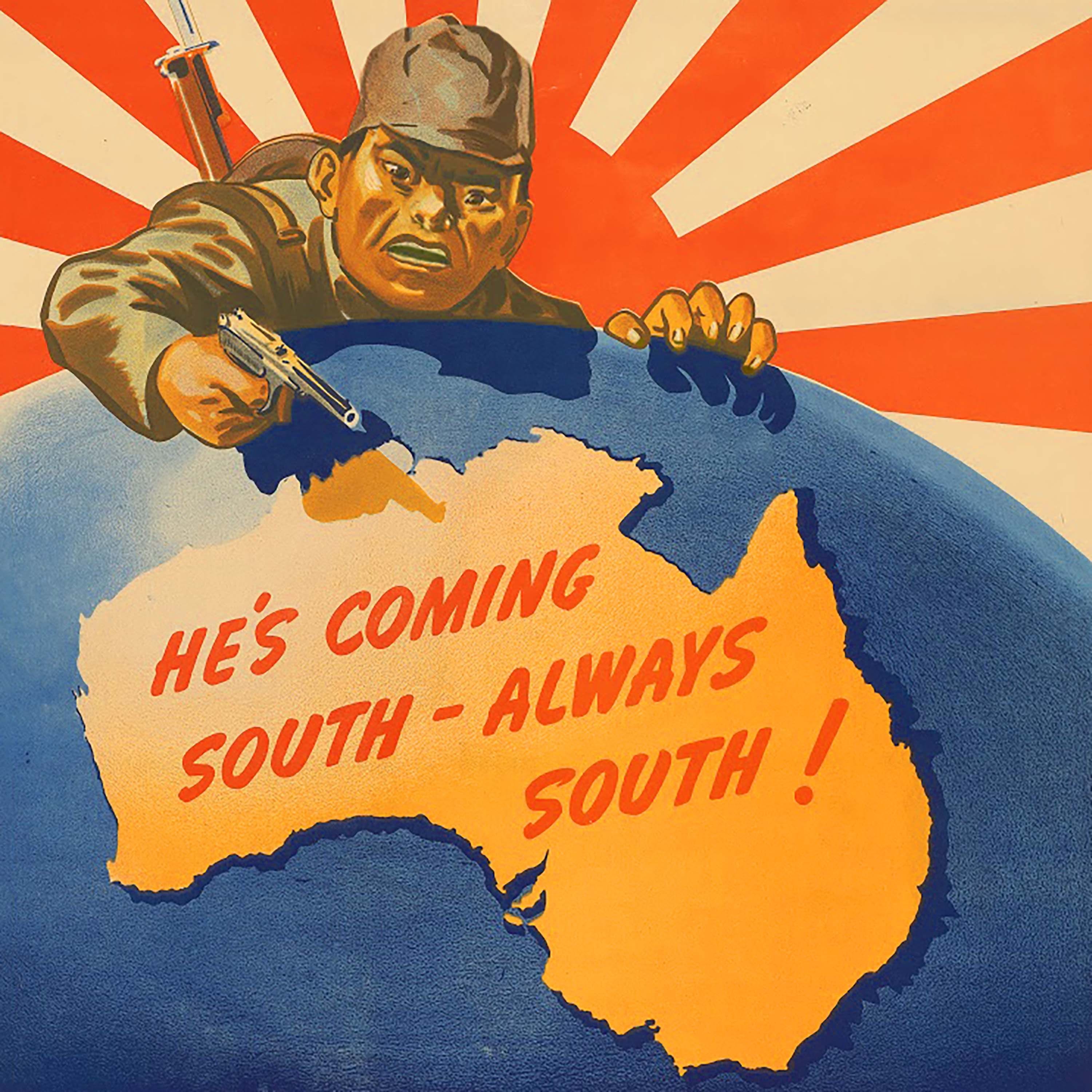
Well, every young bloke was waiting to turn eighteen so he could join up for some reason or other. I was working at the AWA [Amalgamated Wireless], and I worked in three shifts around the clock, and I was only young when I started. We had no lunch hour. We had to work six days a week, you know, like a penitentiary. So when the opportunity came to enlist, I got out of there like a shot, you know. Plus, everyone wants to join up, so I went out and joined up!
Can you tell me about the day you enlisted, and what it was like?
The only thing I remember about the day I enlisted, we marched down through Victoria Barracks somewhere [cat-style electric clock interrupts], all the old chaps over there in Victoria Barracks yelling out, ‘you'll be sorry! You'll be sorry!’ That didn't make us feel so good. But that's about the only thing I remember about enlisting.
How did service effect your understanding of Australia? Did you know the country better from meeting Aussies from different parts?
Yeah, yes, yes, I met a lot of chaps from Queensland for some reason. I met a few from Western Australia. When you're stuck with these blokes, you know, for eighteen months, like I was in Japan there, and you're sitting, sleeping with six to a room, there's blokes there from Western Australia and Queensland, you do get to know quite a bit about their little tales they're telling all the time. It's quite interesting and very informative.
How did the Japanese treat Australian personnel?
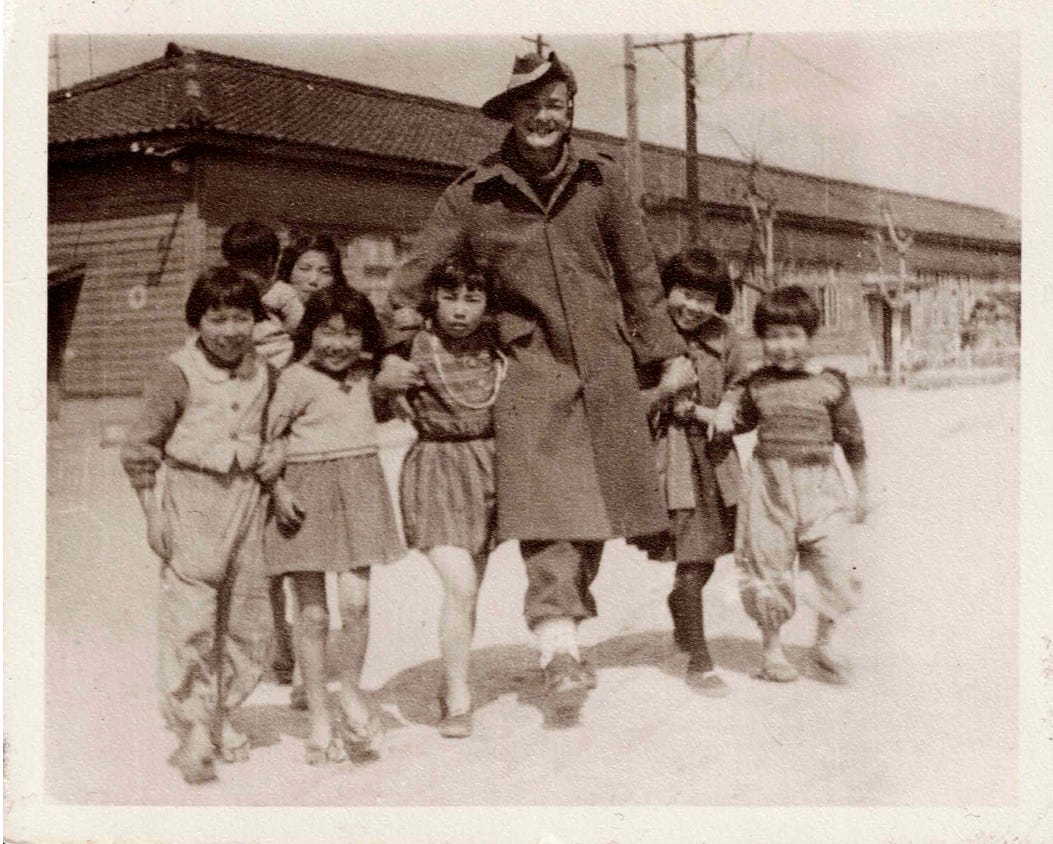
You couldn't fault the children, and you couldn't fault women. The men, for obvious reasons, were a bit standoffish. You see, they probably didn't like us being there, but the emperor said, ‘you got to put up with it,’ and they put up with it. Probably the words – put up with it. But the women and kids, absolutely beautiful, always happy, very polite.
Was there anything fun or exciting about your time serving? Do you have any particular fond memories?
We had an earthquake over there. It was a very bad one too, one of the worst in history I believe. The buildings came down, the roads opened up. A lot of boats were lost over there, too. The fishing boats that were actually round over all along the coast there of the Inland Sea. They were struck, and quite a few of them were destroyed. And then there was a bit of a tidal wave came in and knocked out some of the villages on the shore. That's about the most thing I remember about that place.
Can you tell me about the daily routine of a soldier in Australia, or in the British Commonwealth Occupation Force?
I had six months in Australia – Bathurst and Cowra, and the whole time there was sort of drill, marching, drill, marching. That's about it. Route march, you know, walk 20 miles or something. That was in Australia.
In occupation force, it was a lot of guard duties. The British embassy, the royal palace, princess’ palace over there. Quite a few places. But that was just more or less on guard, and that's what we were doing. Train by day. We’d go away for three months or one month at a time. You go to Tokyo for one month, come back to base, then you go to another place for a month, come back, then you go to another place for a month. You got to see Japan that way. When you were at home at base, it was mainly drill; when you got away, the sort of vague guard duties you had to perform, you see. So that was that.
What do you know about the experiences of Australian women who served in Japan?
Well, the only ones we struck over there were more or less nurses. That's about the only one we ever came in contact with. They're quite nice. The whole crew, naturally being nurses, they're all nice. That's about the only experience we had with women in Japan there. I went to hospital with a chip fracture to the thumb. That's how us came into contact with a few of them. But as I say on the whole, the few we did meet, they were very nice.
Can you tell me about other ways in which Australians contributed to the war effort, if they were not in the armed forces?
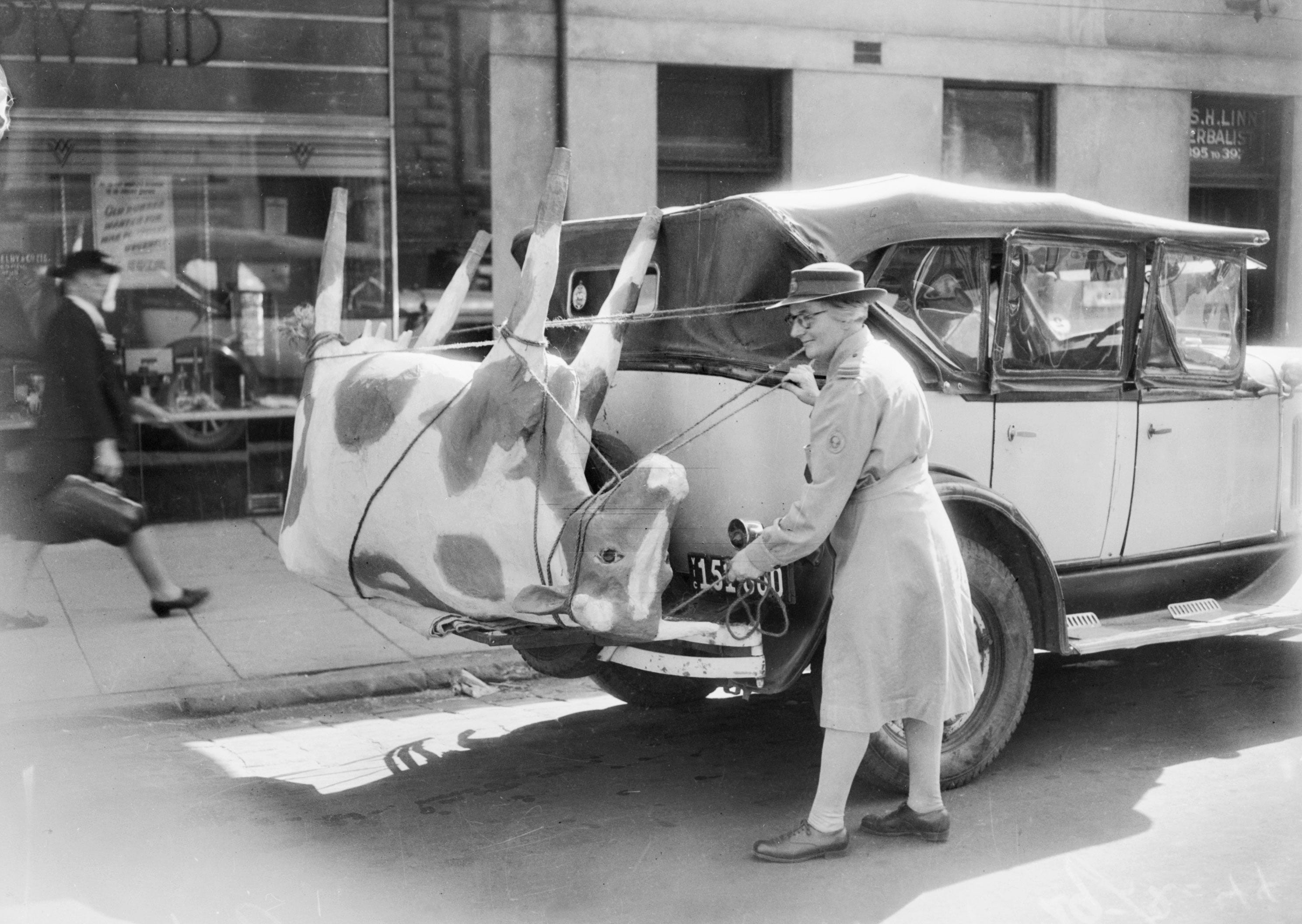
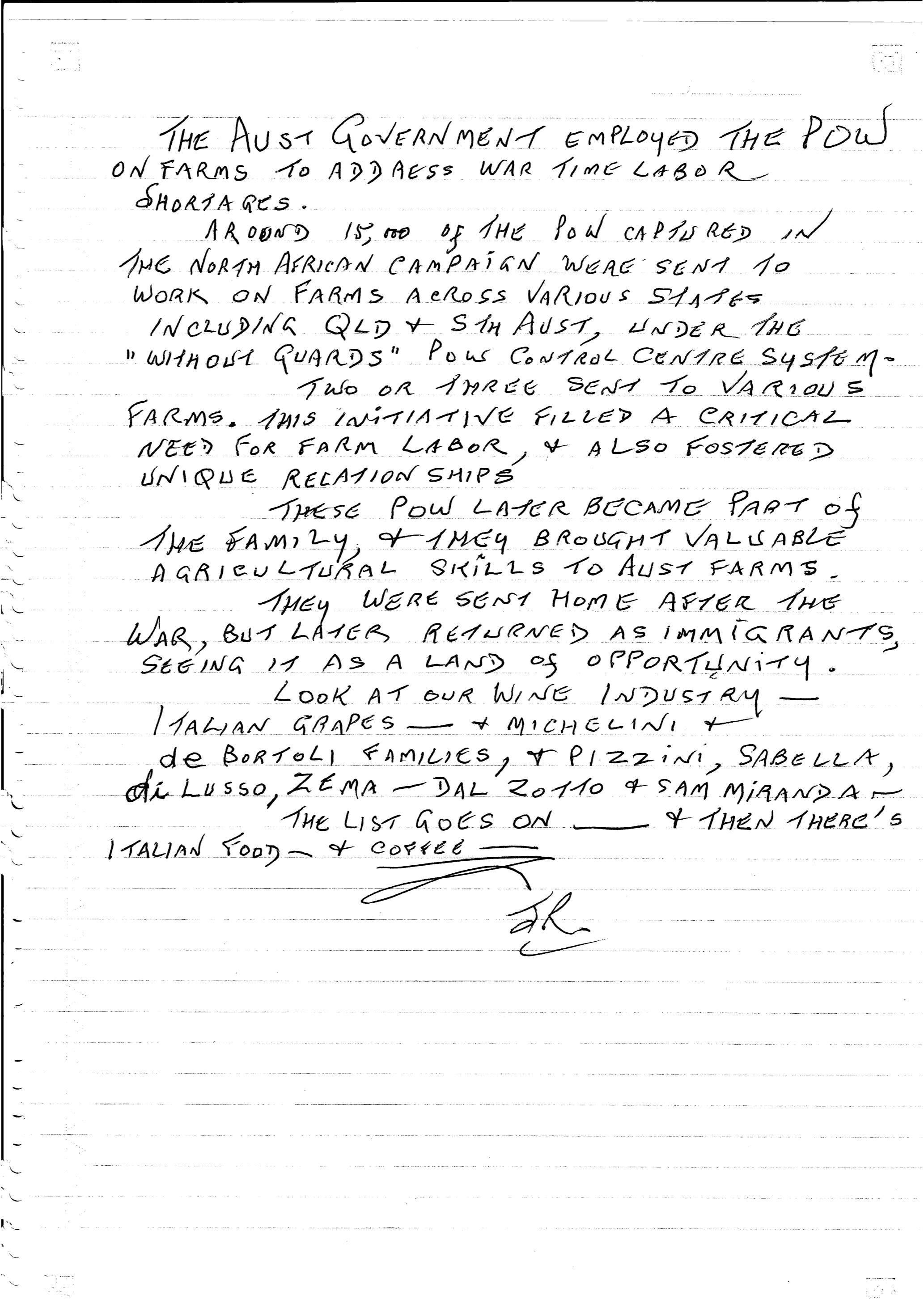
Of course, it was all the men went out, the women left to work these factories, you see. And the Land Army, of course. Which brings me to the Land Army there. Since there was a shortage of men, they used Italian prisoners of war. They went on the farms, two and three to a farm. Note, they weren't guarded, no chains, no nothing, but it’s free. There was just the people on the farms, and more or less, they became members of the family. Then they went back to Italy, then later migrated here, which is good, because when they came here, the whole business changed.
They taught us things about farming we didn't know before. They certainly taught us something about wines, which we didn't know before. And of course, food, Italian food, and the old coffee, cappuccino. We never heard of those things until they came back. So they virtually changed the whole countryside, with their various beliefs and ways.
Can you tell me about when you learned that the war had ended? Did you celebrate?
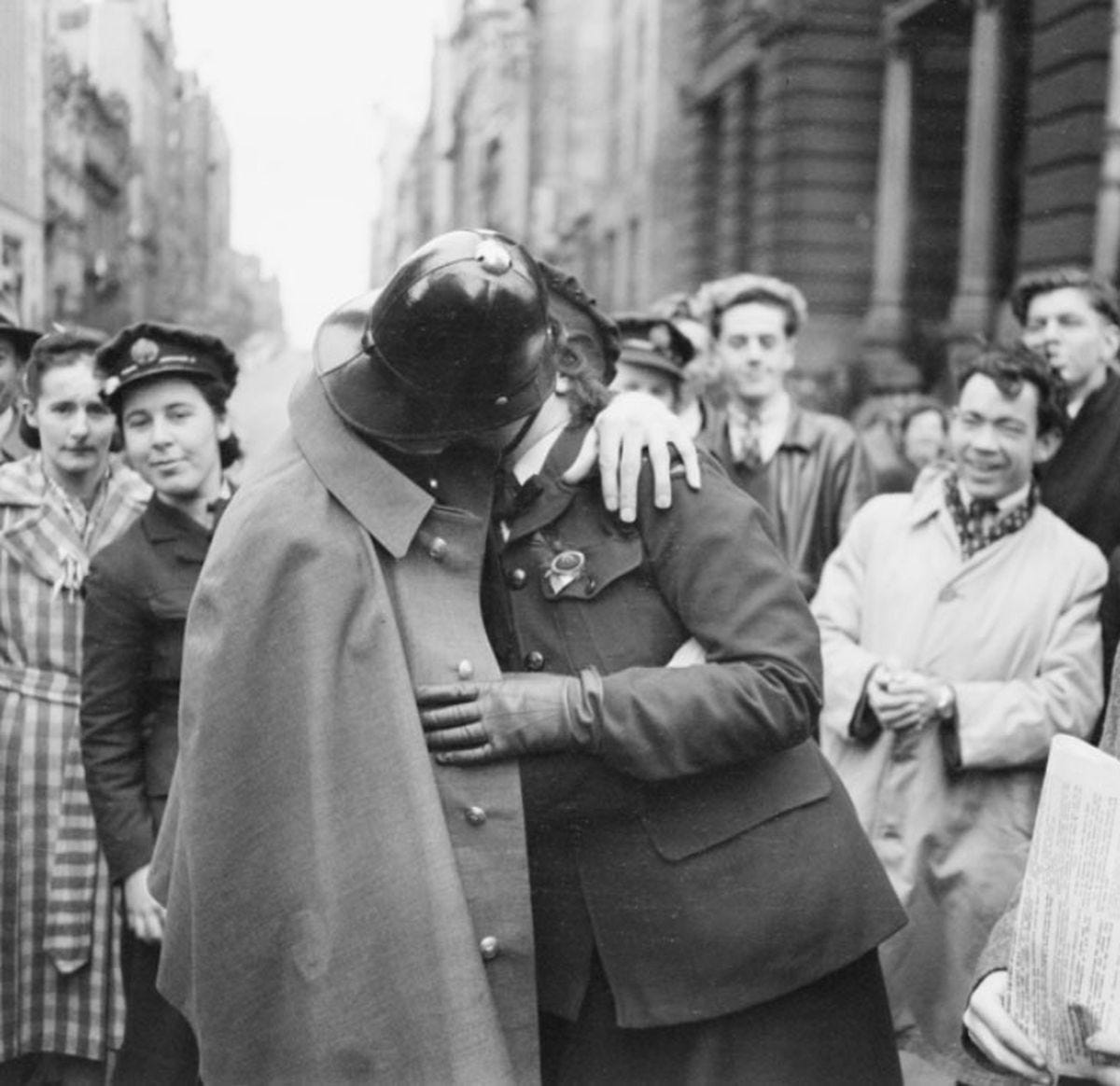
They just called us out on parade one morning. Usual time, six o’clock I think it was. Lined up for the roll call, and they said ‘the war’s now ended.’
Then they said something about the atom bomb. I didn't know what the hell they were talking about. We broke off there, of course, and I think that ended whatever we had to do that day. I think sergeants and corporals were celebrating in their mess, you know, probably drinking beer and all that sort of stuff, and we just went back to our bunk and sat down, polished our boots and had a free day.
Is there anything else which young Australians should know about the war effort?
Well, the war effort as we know it was history now. Whatever we did in those days, you certainly won't be doing in the next war, like there won't be battalions lined up to fight another battalion on the other side, that's a thing of the past now. You'll have drones probably, unheard of before, but that'll be the main force there. They'll be hitting troops on the ground, they'll be hitting ships at sea, and probably they'll be, if they can catch something in the air, they'll probably knock that out. But, you know, we know nothing. We don't know what to expect in the next war. We don't know what they're hiding, what secret weapons they got, what horrible things are going to meet up with us. You don't know.
Would you do it again?
If it was fought like the last war, probably yes, the future war, no way in the world. No way. You don't know what to expect. They’ll probably blow up a whole block of flats. One bomb, boom, everything's gone. They won't use the atomic bomb, I don't think anyone's going to use that. Too many people have got it. And if, once they start, you’ll have whole countries wiped out and radioactive stuff floating through the air that’ll kill the rest of them anyway.
So that's that!
Mutually assured destruction.
Mm!
I have also published a shorter piece based on the above interview.
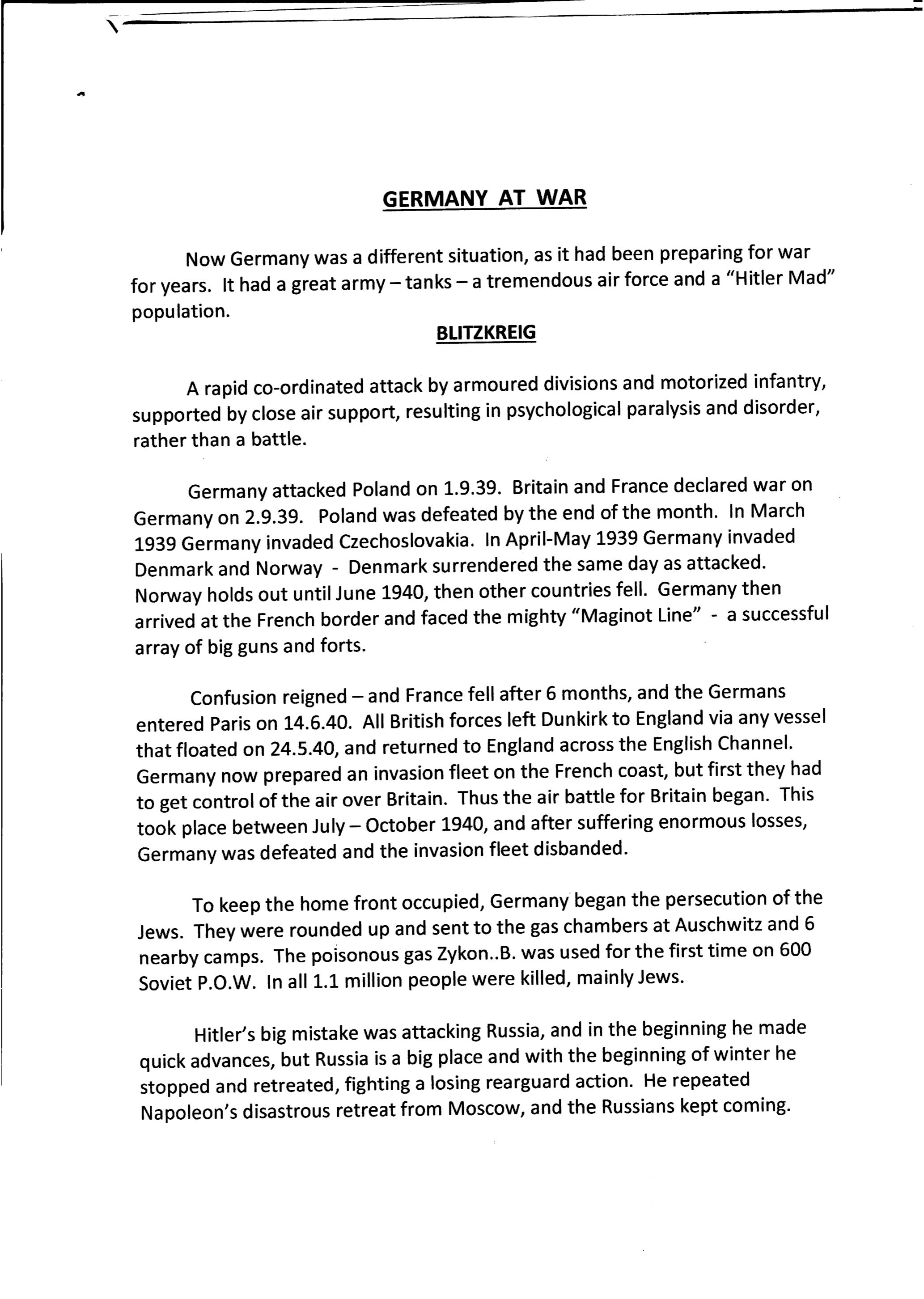
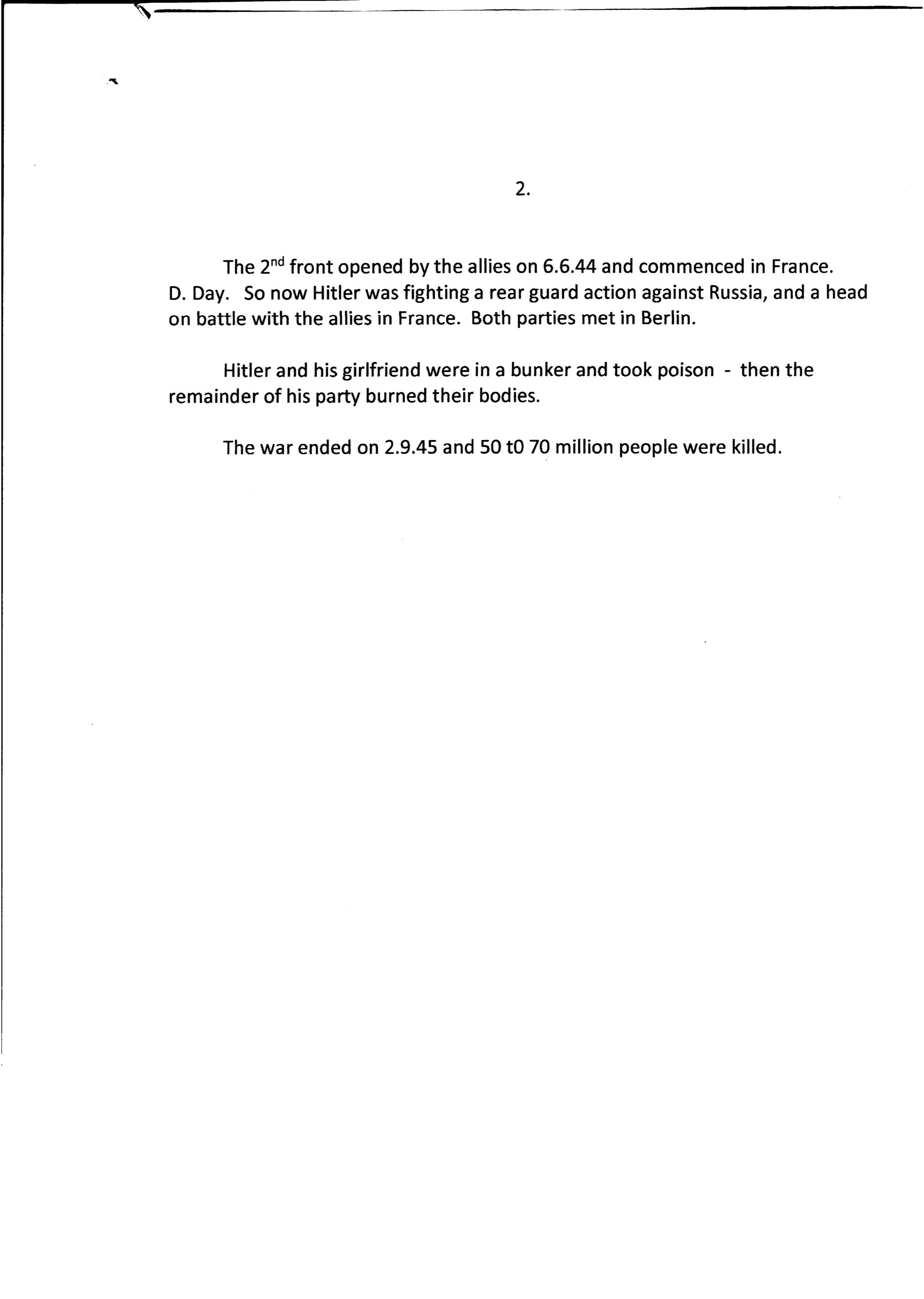
The Axis powers
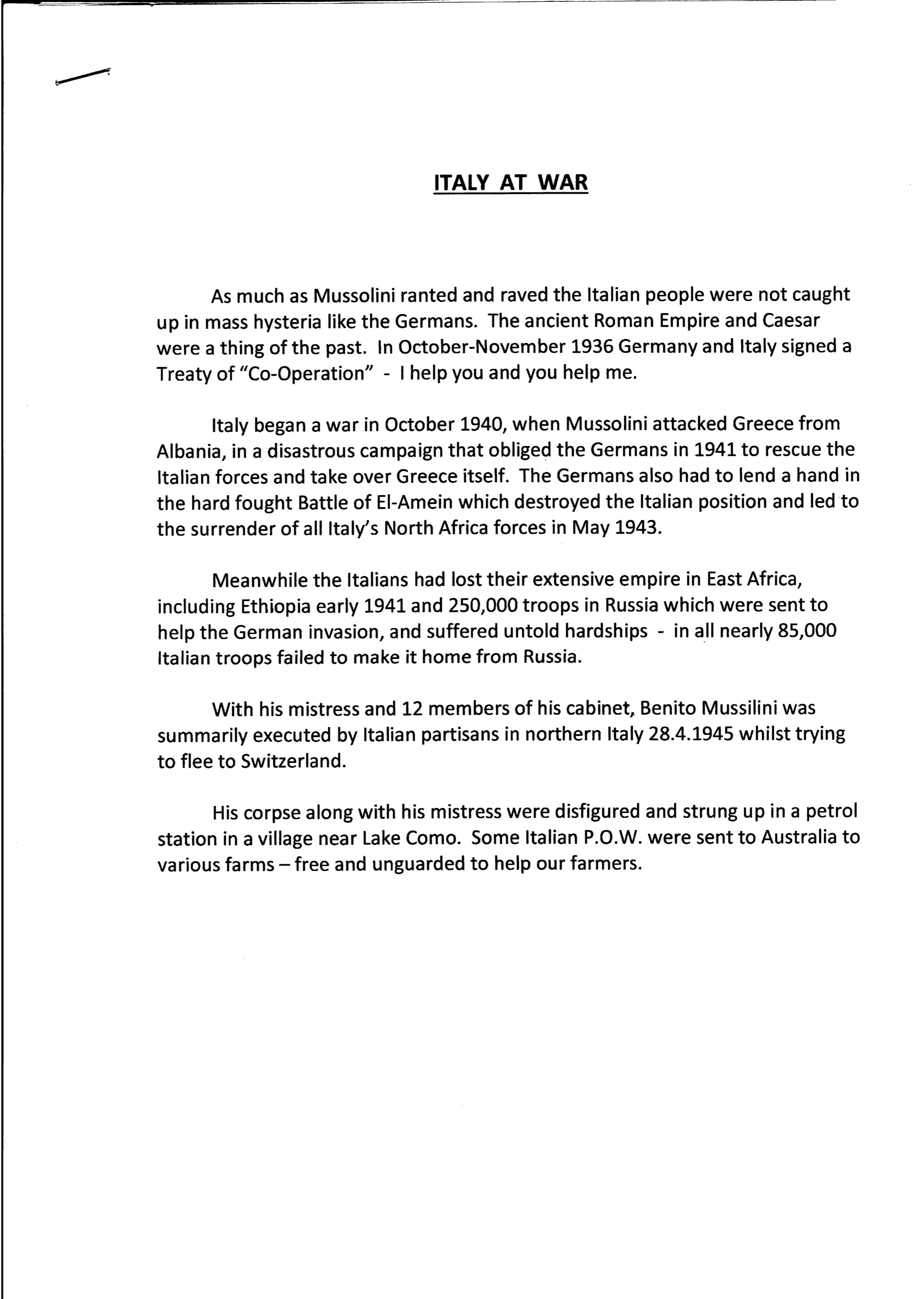
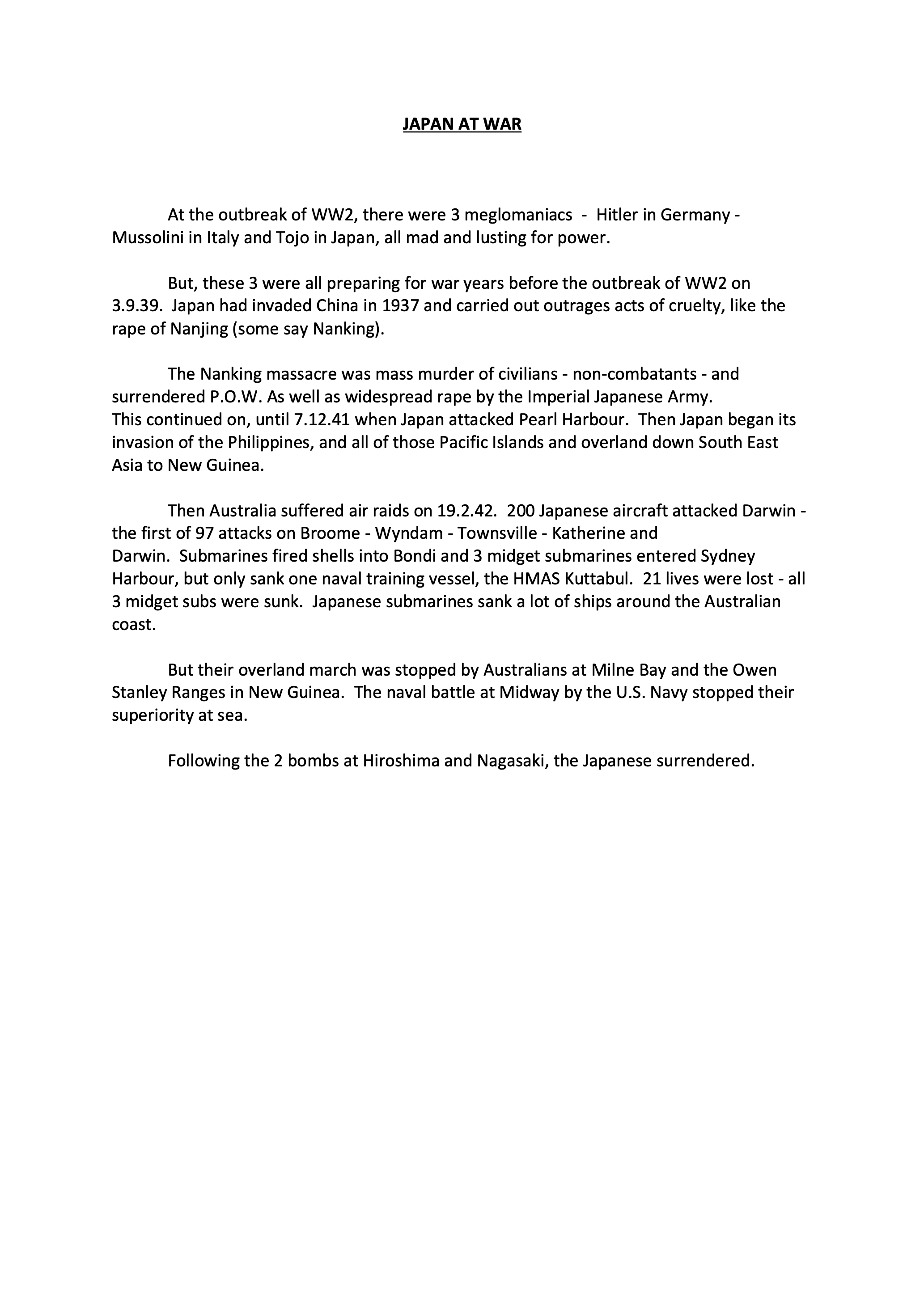
Rose was kind enough to compose a series of brief histories of the Axis powers, which he provided to his typist, and which are duly included as follows. Of particular note is his recounting of Italian prisoners of war in Australia, and how they grew fond of this country.
Germany
Italy
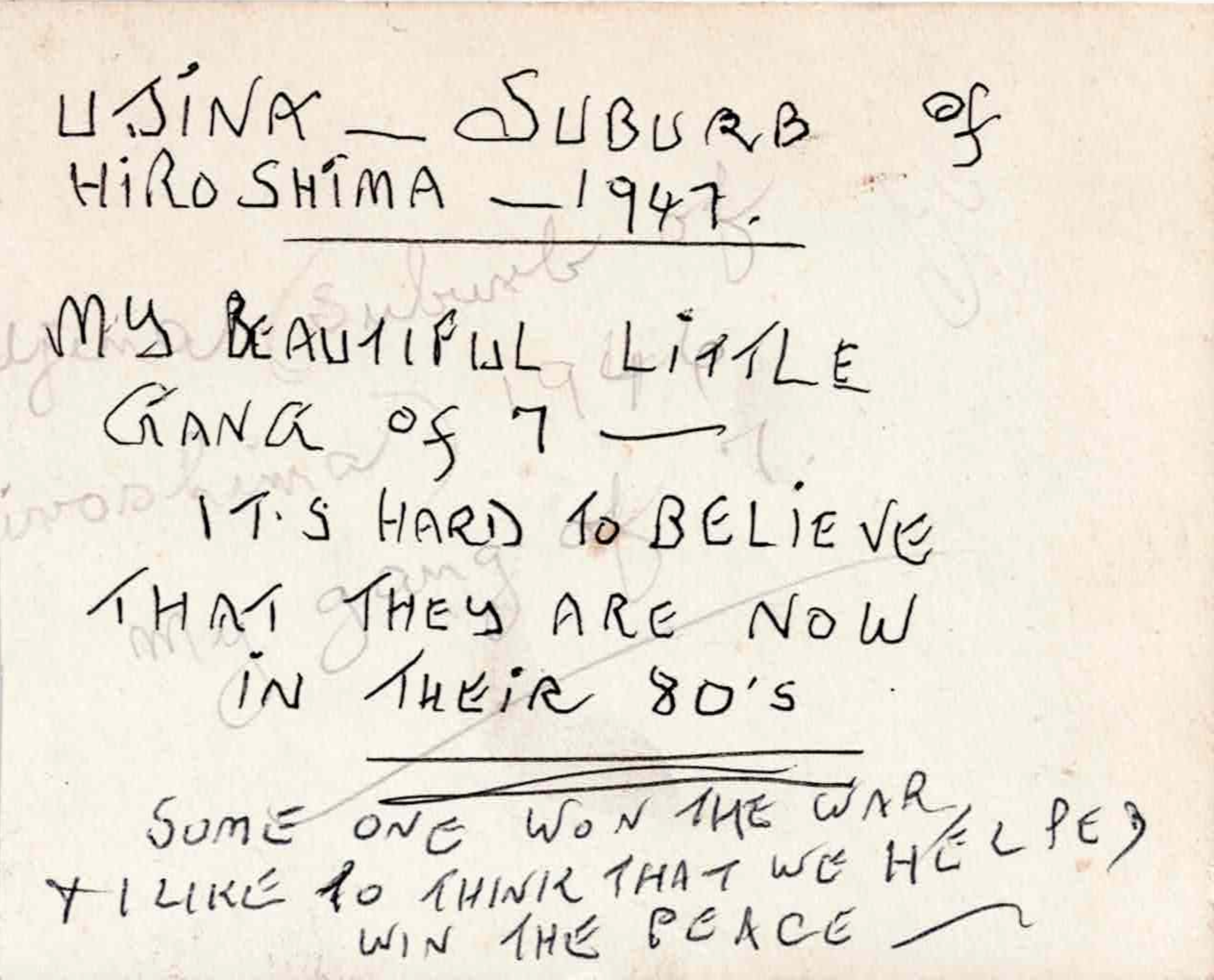
Japan
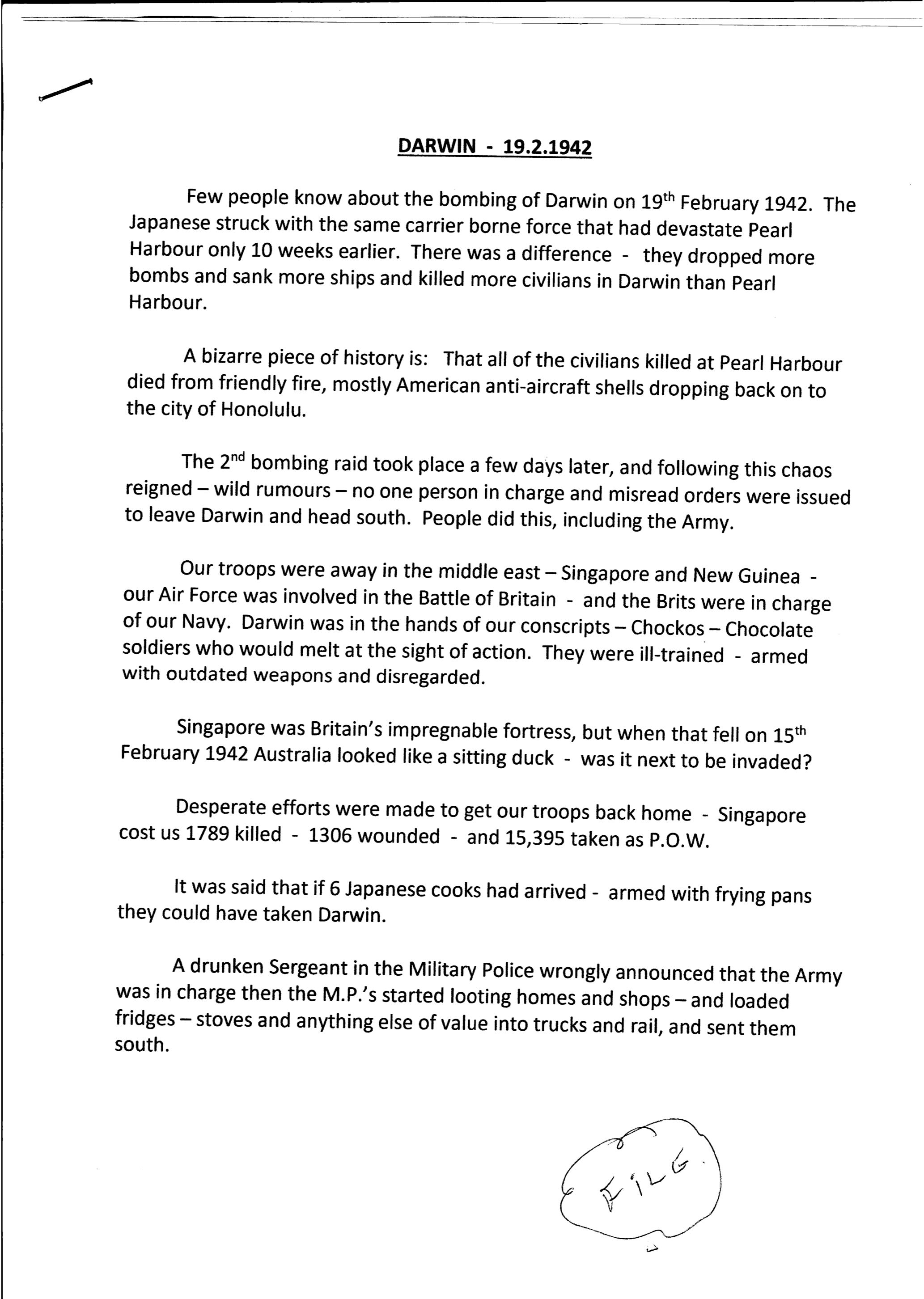
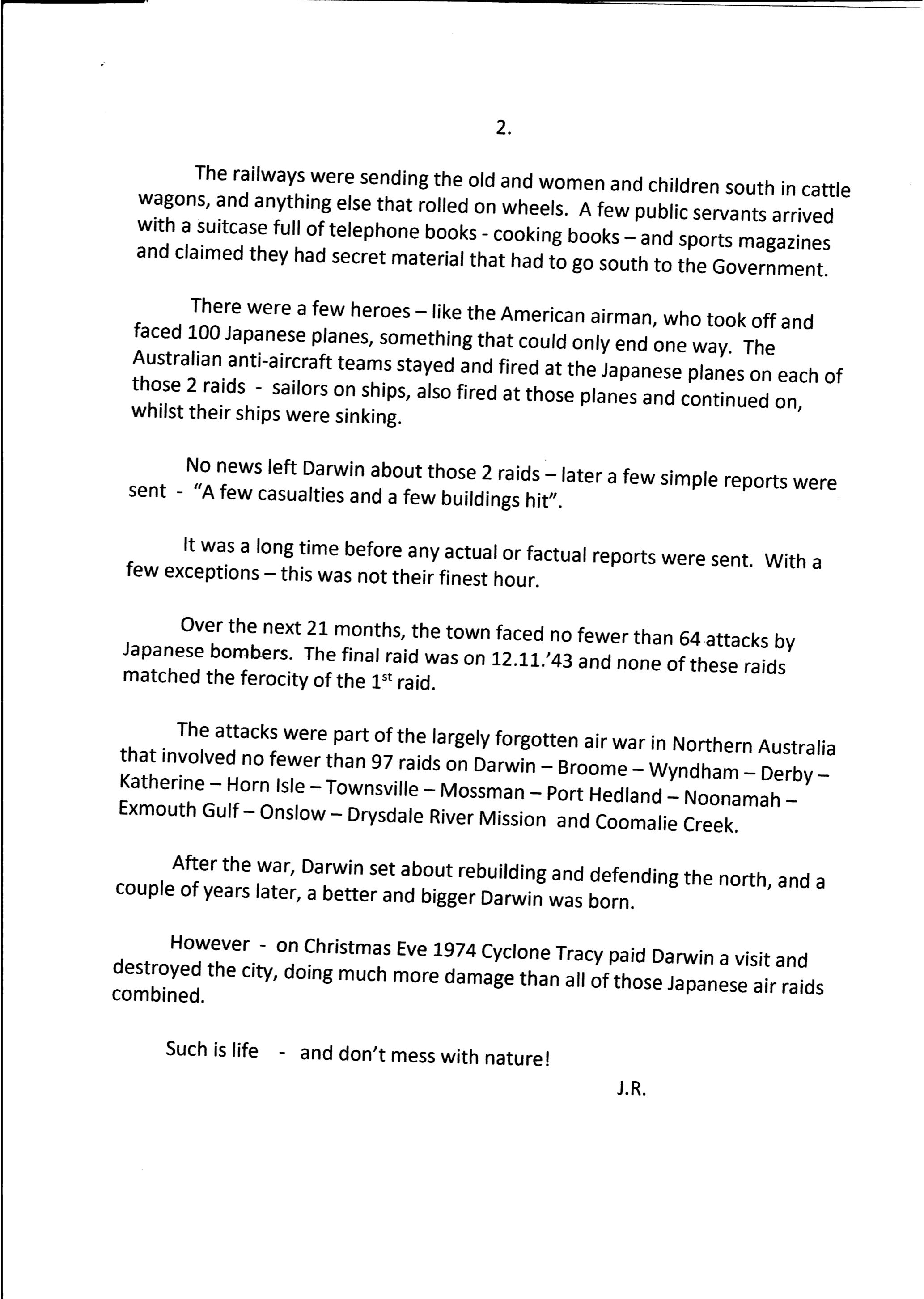
The bombing of Darwin
In addition to his writings on the Axis powers, Rose also sent me a tract about the Japanese air raids on Darwin. These caused extensive damage to the city and resulted in a massive proportion of its residents leaving; it is doing much better now.
A personal note
Like nearly every Australian alive at the time of writing, I grew up with a strong admiration for Second World War veterans.
One million Australians served. 27,073 died.
I cannot help but view all of them, whether they lived or died and regardless of where or how they served, as heroes. From that horrible conflict emerged what we rightly still call the post-war era – not because war ended, but because that war was so supremely pivotal that it deserves the shorthand.
My paternal grandfather, Neville Thorpe, served in the Royal Australian Engineers. He fought at Milne Bay, where Western forces first repelled the Japanese. My paternal grandmother, June Ash, was too young to enlist. Ash wanted it to continue so she could sign up; Thorpe wanted it to end. I never met him, but I am told that he spoke little of his service.
The world changed when the war ended. Institutions designed to foster peace and justice proliferated. We liberalised. Those Allied soldiers who served in Germany and Japan after the war played another immensely important part.
Sir Winston Churchill’s apt words for the heroes in the Battle of Britain can be applied more broadly. ‘Never in the field of human conflict was so much owed by so many to so few.’
My eternal thanks go to John Rose for letting me interview him.
Lest we forget.